
How Dentists Create Personalized Treatment Plans for Patients
Modern dentistry has moved far beyond the generic, one-size-fits-all approach to oral healthcare. Today, dental professionals recognize that every mouth, lifestyle, and medical history is unique. Creating a personalized treatment plan is the foundation of high-quality dental care, transforming a simple checkup into a strategic roadmap for long-term health and wellness. The dental sector represents a massive segment of healthcare overall. According to research from IBISWorld, the market value of the United States dental sector stands at $179.4bn in 2026. This substantial figure underscores the vast scope of dental services provided nationwide, ranging from routine preventive cleanings to intricate reconstructive surgeries. Within this vast industry, dedicated family dentists serve as the primary guides who help patients navigate their individual oral health journeys with confidence.
Developing a customized care plan requires a thoughtful blend of clinical expertise, modern diagnostic technology, clear communication, and deep respect for the patient's personal preferences. When a treatment strategy is tailored to an individual, it addresses immediate problems such as decay or infection while preserving natural tooth structure and preventing future complications. By understanding how dental professionals construct these tailored plans, patients can feel empowered and actively involved in their own oral health care.
Comprehensive Patient Consultations
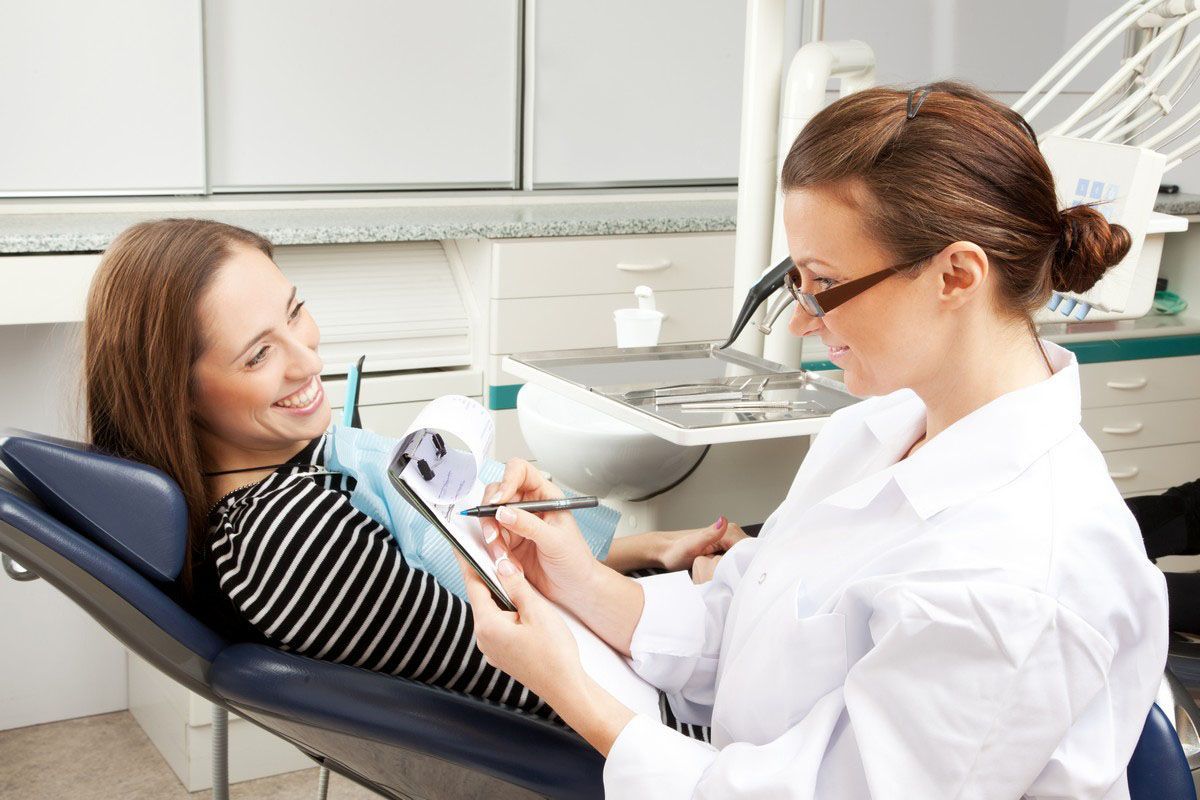
The creation of any personalized treatment plan begins long before a dentist picks up an instrument. It starts with a comprehensive consultation centered around active listening and detailed information gathering. During an initial visit, the practitioner takes time to learn about the individual behind the smile. Experienced family dentists understand that a patient's goals, fears, and previous experiences shape how they approach dental care.
A thorough consultation involves reviewing both complete medical history and prior dental records. Systemic conditions such as diabetes, cardiovascular disease, or autoimmune disorders directly affect oral health, healing capacity, and treatment safety. For instance, uncontrolled blood sugar levels can exacerbate gum disease, while certain heart medications can cause dry mouth, increasing susceptibility to tooth decay. Similarly, medications, allergies, and past surgical outcomes must be carefully documented. Dentists also discuss patient comfort levels and anxiety. If a patient experiences dental anxiety, the treatment plan can be designed to include gentle techniques, longer appointment buffers, or sedation options. By building a solid foundation of open dialogue, the dentist gains a full understanding of the patient's baseline health and personal expectations.
Advanced Diagnostic Tools and Imaging
Once the initial conversation is complete, the clinician conducts a rigorous clinical examination supported by modern diagnostic technology. Visual inspection alone cannot reveal structural issues beneath the surface, making advanced imaging an essential element of modern treatment design. Skilled family dentists utilize tools like digital radiography, intraoral cameras, and cone-beam computed tomography to evaluate the health of the teeth, roots, jawbones, and surrounding tissues.
Digital X-rays provide high-definition views of hidden decay between teeth and around existing restorations. Intraoral cameras allow patients to view real-time images of their own teeth on a monitor, making it easier to visualize cracks, wear, or early decay. In more complex cases involving dental implants, impacted teeth, or root canal therapy, three-dimensional scans provide precise anatomical maps that guide exact procedure execution. In addition to hard tissue diagnostics, the dentist measures periodontal pocket depths to check for early signs of gum disease, checks the function of the temporomandibular joint, and evaluates bite balance. This complete data set allows the dental team to identify underlying causes of discomfort or damage rather than simply treating isolated symptoms.
Phased Care and Strategic Prioritization
After gathering clinical evidence, the dentist synthesizes the findings into a structured, phased treatment strategy. Rarely does a comprehensive plan require all procedures to be completed at once. Instead, care is systematically divided into distinct stages designed to stabilize the mouth, restore structure, and maintain health over time. Insightful family dentists organize care into logical priorities so that urgent needs are met without overwhelming the patient's schedule or budget.
The priority is always emergency and acute care. If a patient presents with severe pain, infection, or structural trauma, the immediate focus is on eliminating discomfort and stabilizing the issue. The second phase centers on disease control, where active decay is cleaned out, failing restorations are addressed, and deep cleanings are performed to eradicate gum inflammation. Once the mouth is free of active disease, the dentist moves to the restorative and functional phase, which may include crowns, bridges, implants, or orthodontic alignment to rebuild proper bite mechanics. The final phase involves elective or cosmetic enhancements, followed by a customized preventive maintenance routine. Phasing care in this manner allows time for healing between steps and gives patients time to plan their finances and commitments accordingly.
Patient Lifestyle and Preference Integration
A treatment plan that looks ideal on paper can fail if it does not account for a patient's real-world habits, daily routine, and personal goals. Personalization means tailoring care to fit the individual's lifestyle rather than forcing the patient into a rigid clinical formula. Observant family dentists take time to discuss daily habits such as diet, tobacco use, sports participation, and stress-related behaviors like nighttime teeth grinding.
For example, a patient who grinds their teeth at night may require a custom nightguard to protect newly placed crowns from fracturing. A busy professional or student might prefer clear aligners or consolidated appointments to minimize time away from work or classes. Financial considerations also play a huge role in lifestyle integration. When multiple clinical solutions exist for a single problem—such as choosing between a direct composite filling, an inlay, or a full crown—the dentist outlines the longevity, aesthetic outcomes, and costs of each option. The clinician serves as an advisor, providing clear guidance so the patient can make fully informed decisions aligned with their values and financial preferences.
Ongoing Evaluation and Long-Term Care
A personalized treatment plan is not a static document that ends when a specific procedure is finished. Instead, it is a dynamic process that evolves alongside the patient over months and years. Oral health conditions change due to aging, lifestyle shifts, new medical diagnoses, or changes in medication, making ongoing evaluation essential. Proactive family dentists use periodic checkups to monitor progress, evaluate how well restorations are holding up, and adjust preventive strategies as needed.
Regular maintenance visits allow the dental team to catch minor changes before they develop into major problems. For instance, an area of early enamel demineralization might be managed conservatively with targeted fluoride treatments and dietary adjustments, preventing the need for a filling later on. If a patient develops a new systemic condition like high blood pressure or arthritis, the care plan can be modified to adapt appointment lengths or home hygiene techniques. Continuous monitoring ensures that the patient maintains optimal function, comfort, and confidence in their smile throughout every stage of life.
Creating a personalized treatment plan is a collaborative effort that merges advanced clinical science with compassionate, individualized care. By conducting thorough consultations, leveraging modern imaging, phasing procedures strategically, respecting lifestyle factors, and maintaining long-term oversight, dentists ensure that every patient receives care tailored specifically to them. Partnering with trusted family dentists allows individuals and families to navigate their oral health with clarity, ensuring strong, healthy smiles that last a lifetime. If you are ready to experience personalized dental care tailored to your unique goals, contact Horizon Dental & Cosmetics today to schedule your comprehensive consultation.

Share On: